Electric Cooking Technologies & Their Advantages
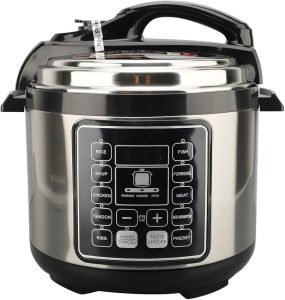
Electric Pressure Cookers
- Electric pressure cookers use electricity to heat a sealed pot to high pressure, which cooks food faster and more thoroughly.
- Their sealed design helps retain moisture, nutrients, and speed up cooking, making them excellent for long cooking and staple foods such as beans, tough meats, or stews.
- Because cooking is at pressure and heat is contained, they tend to be energy-efficient and safe.
Electric Induction Hobs
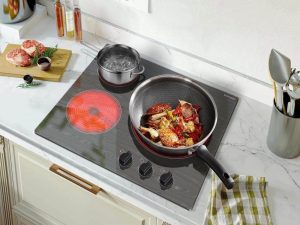
Induction cookers use electromagnetic fields to heat the cookware directly. They do not the cooktop surface.
Characteristics of Electric Induction Hobs
- High energy efficiency: They deliver a large portion of electricity straight to the pot, reducing wasted heat.
- Fast & precise heating: Food heats quickly and temperature can be finely controlled.
- Safer and cooler surfaces: Only the pan gets hot, not the stove surface. This reduces burn risk and eases cleanup.
- Less ambient heat: The kitchen stays cooler, which is suitable in warm climates like Uganda especially during the dry season of the year.
Electric Infrared Hobs
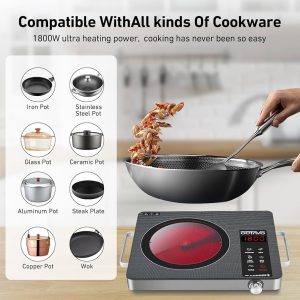
- Infrared cookers use radiant infrared heat to warm the cooking surface, then heat transfers to food.
- They tend to be compatible with broader types of cooking tops, unlike induction hobs which need magnetic cookware. It is more flexible for households with existing pots and pans.
- The infrared hobs are often cheaper to buy than induction units. They are a potential good entry point to electric cooking without big upfront cost.
- While not as efficient or fast as induction, infrared hobs still provide cleaner cooking than firewood/gas, and are better than many traditional electric hotplates.
Why Electric Cooking Matters
- Reduces indoor air pollution: It has no smoke and therefore improves respiratory health and indoor air quality.
- Decreases reliance on wood/charcoal: This helps reduce deforestation, time spent collecting fuel, and environmental degradation.
- Supports modern, efficient lifestyles: Electric cooking is compatible with busy schedules as it faster cooking, easy cleanup, less mess.
- Scalable with clean electricity: As more homes access electricity, electric cooking becomes a sustainable, long-term solution for clean cooking goals.
Ethanol for Cooking
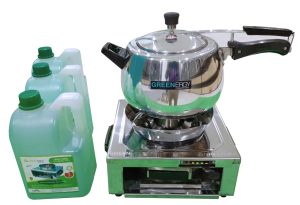
What is Ethanol Cooking?
Ethanol cooking uses liquid bio-alcohol as fuel instead of firewood, charcoal, or kerosene. The ethanol used is produced from sugarcane, cassava, maize, molasses or other agricultural crops and wastes.
It burns with a clean, smokeless flame, making cooking healthier, faster and convenient. Ethanol is used in special high-efficiency ethanol stoves that are designed to burn it safely.
Ethanol Cooking Technologies
There are two main types of ethanol cooking appliances:
A) Liquid Ethanol Stoves
How they work:
They use small burners that hold liquid ethanol. Air mixes with fuel to produce a strong blue flame.
Advantages
- High cooking power (fast heat)
- Clean blue flame
- Refillable burners
- Suitable for households & restaurants
B) Ethanol Gel Stoves
How they work:
Fuel is thickened into a gel(like jelly). It burns more slowly and is easier to handle.
Advantages
- Safer to transport (non-spill)
- Good for beginners
- Simple design and low cost
- Good for small cooking tasks
Benefits of Cooking with Ethanol
- Clean pots & clean kitchens: No choking smoke, black pots or dirty kitchens.
- Improves family health: Reduces indoor air pollution that causes coughs, asthma and eye irritation.
- Fast cooking & easy ignition: Ethanol lights instantly, with no need to blow on firewood or wait for charcoal.
- Protects the environment: Reduces dependence on wood and charcoal, helping to fight deforestation.
- Supports local agriculture: Fuel can be made from local crops and agro-waste, supporting farmers and local jobs.
- Safe to use and store: Special stoves minimize risk of explosion and fuel evaporation.
Why Ethanol Matters for Clean Cooking in Uganda
- Reduces pressure on forests and charcoal demand
- Creates jobs through local ethanol production
- Improves household air quality and reduces hospital costs
- Works well in urban and peri-urban homes with limited space for charcoal stoves
- Supports Uganda’s goal of increasing access to modern cooking technologies